
Astha Chhatri - Author
2026-09-24
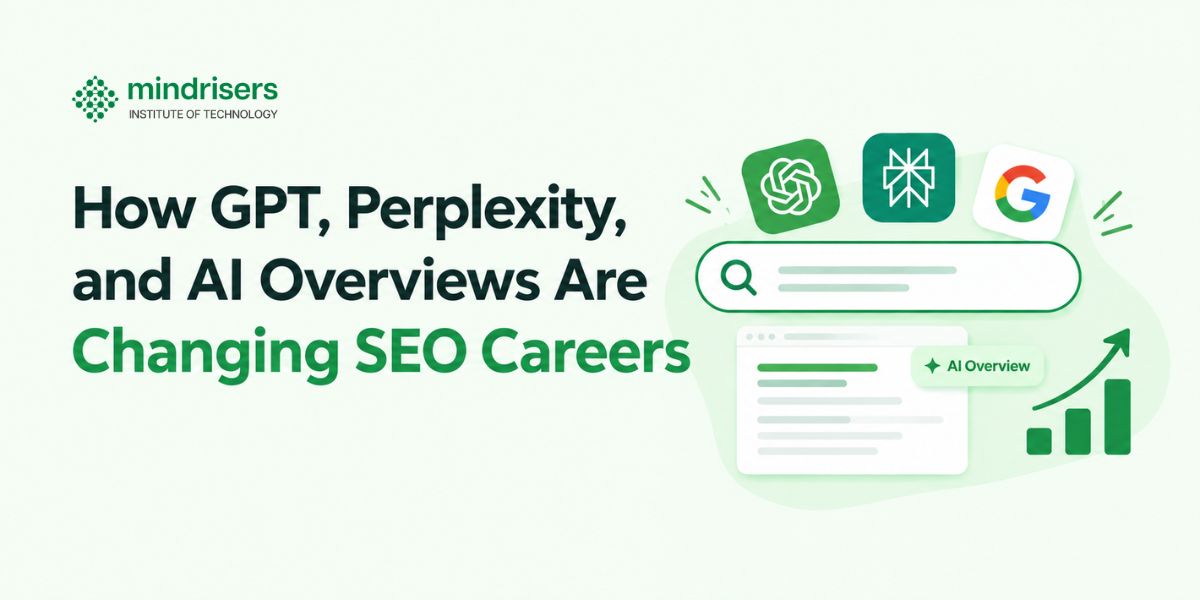
Search is changing. In the last two years, AI tools like ChatGPT, Perplexity and Google AI Overviews have changed the ways that people search for information. Instead of going through dozens of websites to find an answer to a query, it is possible to simply ask an AI for assistance. This trend has also influenced SEO practices.
While SEO has previously been focused on getting a website indexed by Google and making it more attractive in order to get more traffic, businesses are now also aiming to optimize their content in such a way that it is easily understandable by search engines and AI tools.
Do SEO practices die with the emergence of new technologies? Is SEO dead? SEO practices are not dead, but instead are constantly evolving. At this point in time, SEO is more focused on building relationships and trust, understanding queries and adapting content in such a way that it is attractive in the eyes of search engines, AI tools and humans alike.What does this evolution mean for SEO professionals and those who are looking to start a career in SEO? Let’s take a closer look at the ways in which AI impacts SEO and the skills that are needed in the future.
From "Ranking" to "Being the Answer"
Traditional SEO is all about creating value for the search engine and getting it ranked high on the first page of the search engine results page (SERP). A high SERP ranking increases the chance that a prospect will click on a given link. That click is the lifeblood of conventional SEO: the more links that a given website appears on the higher its SERP ranking will be, meaning even more clicks in the future.
However, AI-powered search engines cut out the middleman. If someone asks ChatGPT to compare two products, or Perplexity to summarize the latest academic research on a particular issue, the response from the AI might well quote, summarize, or discuss information from multiple articles without ever visiting them. The result is a researcher who has not visited the target site, and therefore a dramatically reduced number of clicks. This has changed the game, because now SEOs are much more focused on getting their clients' websites mentioned inside of search results than on increasing traffic.
After all, being cited as a source increases the prestige and authority of another domain, while also providing some exposure. It's not quite the same as a click, but it can be just as valuable. SEOs are now seeing this as a different type of success metric that they should track.
The Rise of "Answer Engine Optimization" (AEO)
A new practice is being born under such names as Answer Engine Optimization (AEO), Generative Engine Optimization (GEO) or simply AI search optimization. Whatever it is called, it is about optimizing the contents so that large language models could understand, trust, and cite it.
This practice encompasses many activities similar to traditional SEO, but with a focus on the elements relevant to AI search engines:
- Clear, structured answers: Content that answers a clear question directly in the first few paragraphs tends to be used by AI summary tools more readily than content that drones on about related topics before getting to the point.
- Strong topical authority: AI summarization tools are inclined to use content from sites that produce high-quality, in-depth content on a regular basis rather than one-off pieces optimized for keywords.
- Cleanly structured data: Schema markup, FAQ sections and other easily digestible formats are favored by both search engines and AI summary services.
- Original data and expertise: AI summary tools favor content that presents fresh data, unique information, and expert opinion over thin content that simply rehashes information from other sites.
Keyword Research Is Becoming Question Research
Traditional keyword research focused on search volumes and competition for specific phrases. Users searching on AI tend to ask more open-ended questions and be engaged in a dialogue with an AI assistant. SEO specialists are now researching the types of questions users are asking in AI assistants, and not only looking at what they type into Google.
The new approaches focus on:
• Long-tail, conversational queries
• Questions following up on one asked previously within the same conversation
• Finding intent behind a question rather than the question itself
The ability to read between the lines is now more important than ever.
Technical SEO Is Still Essential
It's easy to dismiss technical SEO once AI takes over, thinking about 'thinking' for us, but in reality, things are the opposite:
To correctly cite a source, an AI model has to be able to crawl, access, and correctly parse it. This means that
• fast, mobile-friendly, accessible websites remain critical for rankings
• semantic HTML facilitates better parsing by AI algorithms
• sites that are un-accessible to AI crawlers (intentionally or otherwise) will fail to be cited entirely.
Technical SEO expertise is far from dying - it's becoming a required skill to even participate in the new landscape.
New Skills SEO Professionals Are Picking Up
As the field evolves, the skillset of an SEO specialist is evolving beyond traditional keyword tools and backlink audits towards:
- Prompt literacy : understanding how AI models interpret and react to queries helps professionals reverse-engineer what content gets cited.
- Content depth over content volume : thin, keyword-stuffed articles are giving way to fewer, deeply researched pieces.
- Brand and entity building : AI models tend to trust recognizable, consistently mentioned brands and authors, making digital PR and brand mentions across the web more valuable.
- Measuring AI visibility : new tools are emerging to track how often a brand is mentioned or cited inside AI Overviews, ChatGPT responses, and Perplexity answers, since traditional rank trackers don't capture this.
- Cross-platform thinking : SEO professionals increasingly have to think about visibility across Google, Bing, ChatGPT, Perplexity, and other AI-driven discovery tools simultaneously, rather than optimizing for one search engine alone.
Is SEO Still a Good Career Path?
Yes, but the job description is changing. The professionals who struggle will be those who see SEO as a static set of tricks to boost rankings. The ones who thrive will be treating it as a discipline centered on building true authority, clarity and value because that's the sort of content that will get rewarded by the new AI models.In many ways, it's a return to the roots of SEO, creating the most helpful, trustworthy content possible on a given topic. Only now, the "reader" evaluating the quality of that content may just as likely be an AI model as a human browsing through search results.
For anyone looking to build a career in digital marketing, this shift also creates new opportunities to learn and adapt. Courses like those offered by Mindrisers can help you understand these evolving strategies from SEO and AEO to AIO, GEO, and the emerging concept of Search Everywhere Optimization so you’re prepared for where search is heading next.
Recent
- 01How GPT, Perplexity, and AI Overviews Are Changing SEO Careers
- 02Frontend vs Backend vs Full Stack Development: Which Path Should Beginners Choose in 2026?
- 03Data Science Course in Nepal: Skills, Career Opportunities and Future Scope in 2026
- 04From Classroom Learning to Real-World Experience: My First Step into Digital Marketing
Recent Post
View All
How GPT, Perplexity, and AI Overviews Are Changing SEO Careers
2026-09-24.307 Views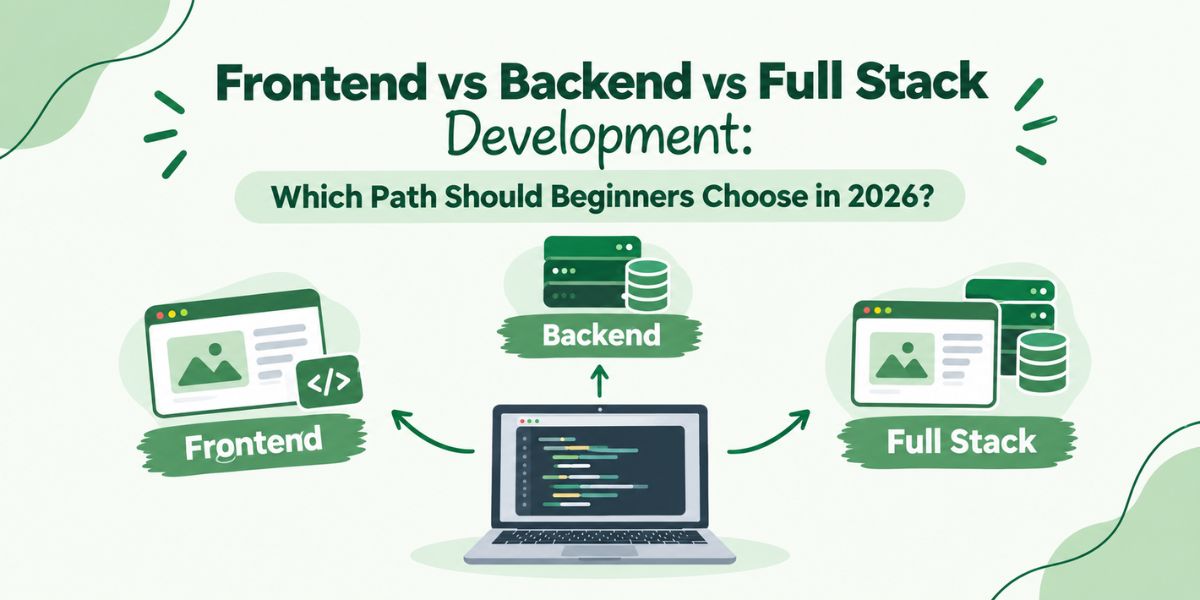
Frontend vs Backend vs Full Stack Development: Which Path Should Beginners Choose in 2026?
2026-09-15.376 Views
Data Science Course in Nepal: Skills, Career Opportunities and Future Scope in 2026
2026-09-07.425 Views
From Classroom Learning to Real-World Experience: My First Step into Digital Marketing
2026-08-24.502 Views

Never miss an Opportunity !
Want to learn TOP 2025 IT Skills ?
We open IT skill classes Monthly in Design, Development, Deployment, Data etc.
Have something to Ask ?
get admission enquiry